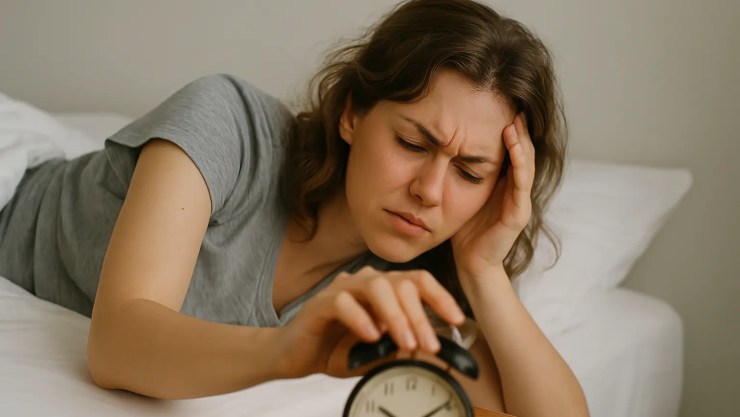
Weeks after the most recent time change, several of my co-workers were talking about still dragging through the day because of it. It was like a chain reaction. First one person mentioned it and then one or two more chimed in to share similar stories. It was unanimously agreed that one hour is enough to disrupt the internal clock and throw us off balance.
The extended daylight is supposed to spring us ahead into the season of new beginnings, right? But rather than delivering more energy and positivity right from the jump, for most, that one hour difference seems to create an inner struggle to get through the day and zaps the spring from our step. At least for a while, until we adjust. While that one hour difference may not seem like a big deal, your hormones couldn’t disagree more. In fact they team up to rebel, create chaos, and induce that groggy disoriented feeling that is often experienced after a long night out. Cortisol, melatonin, and your circadian rhythm are suddenly out of sync. The time change hangover is real.
By now you’re probably well on your way to feeling back in balance. It has been long enough that you’ve moved on to embrace more hours of daylight and the promise of increased energy. Yet, the memory of the former is still fresh in your mind, making this the perfect time to discuss the importance of regular sleep patterns. There are ways to not only combat hormonal jet lag but to keep that hormonal rhythm in check year round. I learned first hand that willpower is not an antidote when raging hormones want their way.
For many years I was stumped as to why being sleep deprived caused me to overeat. It seemed as though nothing truly satisfied me. Even though reason told me otherwise I would have cravings that were hard to resist. Because I never heard anyone speak of this before, I didn’t realize that others may experience the same thing. Finally an answer came through my study of nutrition and hormonal balance. It wasn’t me⸺it was my hormones! Leptin and ghrelin were fighting back to regain a semblance of balance because my body wasn’t receiving what it needed, sufficient sleep.
Here’s what was happening: The hormone ghrelin which turns on the hunger signal is overproduced when we’re sleep deprived and leptin, the hormone that signals satiety is underproduced. Our hormones are continually communicating with each other and sometimes our actions interrupt that communication. Learning this increased my own self awareness but knowledge is only power when we put it to use.
An article from the National Sleep Foundation states, “Having a regular sleep schedule can positively affect key areas in your life including your mental and physical health as well as performance. Getting enough sleep from a regular sleep schedule can make it easier for you to cope with daily stress and less likely to be impacted by minor negative things that can come up.” So if regulating your sleep patterns seems insignificant to you, take note that your overall health, mood, and memory can benefit. We can all benefit from the following sleep hacks, even those of you who think having a restful night’s sleep is nothing more than a dream.
- Have a Regular Sleep Pattern: Our bodies like routine even if we don’t. Figure out the number of hours per night that are right for you (usually between 7 &9) and set your sleep and wake time accordingly.
- Set The Tone: Create a calming setting and reserve the bedroom for sleep and bedroom activities. Eliminate clutter and set-up your “office” elsewhere. Your bed should not be a place where you just need to roll over to pull out your laptop or phone and start the day.
- Exercise: Exercise can boost the body’s natural sleep hormones like melatonin. According to Harvard Health Publishing, exercise in the morning daylight will help the natural circadian rhythm.
- Keep it Dark and Quiet: Melatonin is released in darkness and is inhibited by light. Keep the shades and curtains closed; you might even try an eye mask.
- Avoid Alcohol: If you are having a drink, it’s best to have it 2-3 hours before bedtime.
- Nighttime Rituals: Sleep rituals are not just for kids. As a bedtime story is to a child, find a comforting ritual that lulls you to sleep. Do whatever relaxes you. Read a book, take a bath, listen to music, anything that says “wind down” will help.
- And finally: to avoid or drastically minimize the dreaded time change hangover, experts agree that going to bed and waking up15 minutes earlier one week-5 days before will help with the transition and is a great tool for kids too!
I hope this sets you up for better sleep habits that lead to positive lasting changes so you’ll be well prepared when it’s time to “fall back” in October.
For a more extensive list of Sleep Hacks, reach out. It’s my pleasure to help!