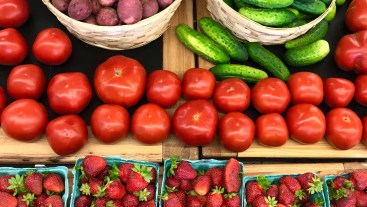
What do strawberries, kale, and tomatoes have in common? As surprising as it may sound, these nutrient rich superstars have all made the EWG’s (Environmental Working Group) Dirty Dozen list for 2022. The Environmental Working Group is a non-profit organization aimed at helping consumers make informed food choices. Starting in 2004 and each year to follow, a list of the top 12 fruits and vegetables that contain high amounts of pesticides even after washing, peeling, and preparation, is published by the EWG. When you read the complete list below, you may see some of your trusted weekly “go to” items and feel a twinge of betrayal. Don’t make the mistake of turning your back on these foods. They are not masquerading as healthy foods trying to trick their way onto your plate – they are sincerely healthy! A variety of fruits and vegetables is an essential part of a healthy diet regardless of how they are grown. The list is simply a guide to making the best choices possible based on what’s important for you and your family. The complete Dirty Dozen list is as follows:
Strawberries, spinach, kale, collard and mustard greens, nectarines, apples, grapes, bell and hot peppers, cherries, peaches, pears, celery, and tomatoes.
Some may regard this as “too much information” while others may take it to the opposite extreme and avoid foods on this list altogether. Buying less produce is not the solution. We are already filling our carts with less fresh foods than we should. However, using this information as a simple guide can help with deciding when buying organic might make more sense and what conventional produce choices are just as healthy. With the increased cost of groceries we need to be certain the dollars we spend are spent wisely.
It’s also a reminder to be diligent about washing produce thoroughly before eating – even the “triple washed” non organic brands. An October 2017 Consumer Reports article recommends rinsing, or scrubbing fruits and vegetables at home to help remove pesticide residue. In addition, the article cites a new study from researchers at University of Massachusetts, Amherst, suggesting another method that may also be effective: soaking them in a solution of baking soda and water. Consumer Reports offers a printable PDF of their own list on their website.
Introducing the Clean 15
Whenever possible, buy organic but if that’s out of reach budget-wise, not to worry. Follow the steps for washing your produce and know there is yet another list you can choose from with confidence – the Clean 15. This list comes out annually along with the Dirty Dozen.
Avocados, asparagus, and pineapple are just three of the nutrient rich foods that made their way to the EWG’s elite 2022, Clean 15 list. Also boasting this title are onions, papaya, frozen sweet peas, sweet corn, honeydew melon, kiwi, cabbage, mushrooms, cantaloupe, mangoes, watermelon, and one of my all time favorites – sweet potatoes. Although there seems to be a trend with most on the list being of the thicker skinned variety, it doesn’t follow through consistently. The lists change annually. For example, bananas and eggplant have been on the list in previous years and this year they are not. The Clean 15 are said to offer the least amount of pesticide residue with avocado at the top of the list. Conventional pricing of the Clean 15 is an added benefit.
When to Go Wild
Wild fruits and vegetables grow in their natural habitat without any pesticides at all and need to build up protection from the elements in order to survive. This nature-made protective mechanism results in foods rich in antioxidants and phytochemicals, which serve as protective measures for the plant and for us when we consume them. As whole foods they are not readily available so we’re not apt to see them in a supermarket any time soon. Some examples of wild berries are blueberries, cranberries, raspberries, and lingonberries. Wild berries have much higher levels of antioxidants than what we buy at the store. Asparagus grows wild as do mushrooms and a host of greens that are likely among the weeds in your backyard—but unless you’re an expert, I wouldn’t pick them for dinner. However, it’s easy to reap the benefits of wild fruits and vegetables through high quality (and often reasonably priced) juices and supplements found at Health Food stores and through trusted health professionals.
So whether your favorite produce is on the clean list or not, keep on shopping the periferie of the grocery store making the choices that are best for you. While the dirty dozen are not pretending to be healthy, remember there are foods doing just that. They are the processed foods found down the center aisles that have fancy packaging and buzz words to catch your eye. Enter those aisles prepared to read labels. One of my fall favorites that is found down the center aisle is pumpkin. Pumpkin didn’t make either list. The recipe below is made with organic canned pumpkin puree, not pie filling, and has a good balance of protein, fat, and carbs.
Pumpkin Spice Dip with Apple Slices
2 scoops of your favorite vanilla protein powder
½ cup organic pumpkin puree (save the rest for a couple of pumpkin spice smoothies)
¾ tsp cinnamon
½ tsp nutmeg
Almond milk (or your favorite milk)
Crushed walnuts (optional)
Slowly add almond milk to protein powder until its a pudding-like consistency
Add pumpkin and combine well, add a little more almond milk if needed
Stir in spices, taste and adjust as needed
Refrigerate for 1 hour or more
Serve with apple slices (you can also sprinkle a little cinnamon on the apple slices)
Enjoy!