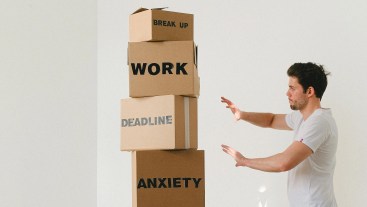
Spring is in the air and along with it, the promise of new beginnings. Extended daylight hours gently coax us out of hibernation and renewed energy seeps in. Even the sunshine seems more energizing this time of year; melting the winter blues away. All around us flower beds are waking up, buds are sprouting and birds are chirping. It’s the perfect time to take a cue from nature and create some renewed beginnings of our own. Tackling projects like cleaning out the garage or even something as simple as a junk drawer, can help us feel more organized. It also helps declutter the mind and reduce stress. April is National Stress Awareness month. And while stress is unavoidable, there is an entire month dedicated to assessing and better managing our stress levels, for good reason.
Can’t live With it-Can’t Live Without it
Stress is good. It helps us to meet daily challenges. It comes to the rescue when we need to meet a deadline or perform well in a crisis, run that last lap, or help with a last minute school project because someone just remembered it’s due tomorrow. The type of stress that helps us when we feel threatened or in a crisis also serves us well. The “fight or flight response” kicks in and, in an emergency, it’s exactly what we need to see us through. However, when we have an overabundance of stressors in our lives and react to everything as urgent or a threat, our bodies respond as such. When our perception of a stressor is the same whether it is raining on the day we planned a family picnic or we are experiencing a major life crisis, stress becomes a problem.
Listen to Your Body
Chronic stress can have a negative impact on physical and emotional health, but sometimes it’s hard to figure out what to do about it. Awareness of how physical symptoms of stress may manifest can help. Symptoms may include fatigue or trouble sleeping, headaches, high blood pressure, muscle tension or jaw clenching (when sleeping or awake), and stomach or digestive problems. If a health professional determines a physical symptom is caused by stress, don’t dismiss it as being less significant. It’s a signal to make changes and better choices for ourselves and our families. Even small changes can make a big difference.
Got Stress?
So what if you’re not feeling quite as chipper as nature’s surroundings suggest you should be? It might help to try something new. Choose whichever tips below resonate with you and give them a try. If the solutions seem too simplistic for the level of stress you’re experiencing, know that even minor changes can help. The first three may sound familiar but are so worth repeating because these three habits set a good foundation for a healthy mind and body.
- Good Nutrition – Avoid caffeinated or sugary beverages, keep sweets to a minimum, load up on healthy carbs like fruits and vegetables, healthy fats and protein, and avoid alcohol when feeling blue or as a sleep aid
- Regular sleep patterns – A regular pattern of sleeping and waking will help to create balance. Try soothing music, sounds of nature, chamomile tea or warm milk to relax you at bedtime. Consult with a health professional for natural sleep aid options.
- Exercise – Regular exercise is a great stress buster. Take advantage of the nice weather and ride your bike, or take a walk.
- Breathe – Practice deep breathing- an overabundance of stress causes breathing to get very shallow. Take a series of long deep breaths, in through the nose and out through the mouth. Hold for a count of ten and repeat three times. Doing this several times a day is also great exercise for the lungs.
- Spring Clean your schedule- Look at your schedule to see what is fulfilling and what is causing more stress. Just as you would throw away what you no longer need around the house, eliminate items on your schedule that are not useful anymore (this may involve setting boundaries and learning to say no).
- An Attitude of Gratitude – This tip knows no season. There is always something to be thankful for. Make a list and read it or add to it daily.
- Make time for yourself – it’s not selfish-it’s essential. Take an exercise class. Eat a favorite dessert. Go outside and breathe in the beautiful spring air. Read a book. Laugh. Taking good care of yourself helps you give better care to others.
- Make Connections – Step away from electronics and spend time with humans (pets are good too). Avoid negative people and situations as much as possible.
- Prayer & Meditation – In order to hear what your body is saying, it is important to quiet the mind long enough to listen. Walk a labyrinth and enjoy meditation in motion.
- Talk it Out – Ignoring stress won’t make it go away. Talking can make it feel less overwhelming. Find a friend, family member, or a therapist to talk to about your stress. You may be surprised at how much better it can make you feel.
Remember, not all stress is bad. The key is to identify good stress from bad stress. As long as it’s not chronic, stress can be a positive addition to your life. Making some changes at a time when nature surrounds us with positivity can have its benefits.