If like countless others you have tried diet after diet only to repeatedly find yourself back at square one, there’s good news — it’s not your fault.
For long term results, diets are not the answer. Don’t get me wrong you will likely lose weight and see results on just about any diet path you take. But for lasting success, the kind that leads to healthier choices that become a way of life, the yoyo dieting syndrome doesn’t work.
Time and again, for various reasons, we reach a tipping point where we’ve had enough of feeling a certain way and are determined to do something about it. Perhaps we’re sick and tired of feeling tired, clothes are fitting tighter, we’re uncomfortable; maybe it’s the Freshman 15 or too many outdoor barbecues. Whatever the reason and whenever it happens, we will likely find ourselves lured by the newest diet promising to be the solution. We want to believe this time it will be different. Our intentions are good. We are trying to take back control.
Setting Yourself Up to Win
Many diets are based on deprivation, sometimes entire food groups are eliminated. Although just about any diet plan yields weight loss, that alone is not an indicator of health. Former fitness models have shared that while they looked great, in reality they felt terrible. That’s an extreme example, but it illustrates that although someone may look amazing on the outside, what’s happening internally is very important. Thankfully most of us are not looking to be fitness models. We’re simply looking to be the best versions of ourselves we possibly can. We need to start where we are today and draw that line in the sand to a fresh start. In doing so, the following tips may be helpful.
Before starting any new plan ask yourself 3 questions:
- Is it sustainable- something that can continue as a way of life?
- Is it based on science?
- Is it something you would allow a child to do?
Those with significant weight loss goals should consult a doctor before choosing a plan of action. Once you’ve chosen a plan that’s right for you, it’s important to know your “why”. What’s in it for you? If your goal is to lose 20 pounds, what difference will that make in your life? Write it down. Focusing on your “why” will help move you towards your goal.
Be prepared with healthy snacks when leaving the house to avoid being tempted by the wrong choices throughout the day. This is especially helpful in an office setting where celebratory cupcakes and other such treats are often plentiful. Meal prep can simplify things and you don’t have to be a chef to make it happen.
Avoid waiting too long between meals to prevent that “hangry” stage when blood sugar drops and overwhelming cravings for all the wrong foods take over to the point where we think nothing but those foods will satisfy us. There’s no stopping us. That’s when muscle, rather than stored fat, is burned for energy. Ideally we should eat when we are hungry and stop eating when we’re satisfied-not full.
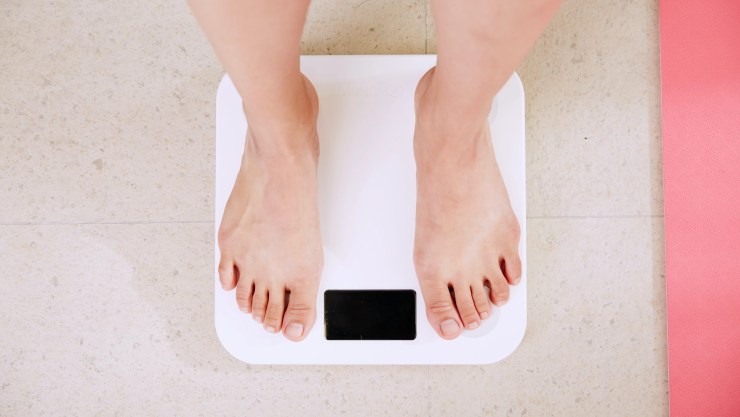
Look Beyond the Number on the Scale
Be all in with your commitment to better health but also be patient with yourself along the way. Feeling more energy? Are clothes feeling looser? Has blood pressure and cholesterol lowered? Have inches been lost this week rather than pounds? Celebrate each victory. Lifestyle change can occur gradually and it takes more than healthy food choices to reap the full benefits. Regular sleep patterns, water intake, exercise, proper supplementation, and doing what we can to reduce stress is also important. Each of these steps play an important role and is the only way to create internal balance. Our bodies are wonderful intricate machines that respond best when treated well. Take it 1% at a time and imagine what that 1% daily progress will look like over time! Be kind to yourself. Progress over perfection should be the mantra.
Have Fun With It!
Food should taste good. Making better choices shouldn’t feel like punishment. Delicious food that includes a balance of protein, fat and carbohydrates, should be enjoyed daily, preferably at regular intervals of 3-4 hours. Play around with favorite recipes and swap out the ingredients to create a healthier meal. Experiment with herbs and spices that add wonderful flavor without adding sodium. No time to cook? There are many ways to grab healthier options on the go that the whole family can enjoy. Just today I passed another local establishment offering healthy prepared meals. These places give new meaning to fast food and are often in keeping with the prices of traditional fast food establishments. With any prepared foods, check the nutrition facts and choose the healthiest options from the menu.
Finally, take notice of the feelings that are triggered after eating certain foods. If a favorite food causes a sluggish or bloated feeling, it doesn’t mean it’s forever off limits. Of course it is wise to listen to the body and, it would be best to limit the frequency, but remember this is a guilt free zone and the really good news is, we can take better control of our health. In time, we may find that we feel a whole lot better when we love the foods that love us back.
So with all this talk about food, why is sleep considered the number 1 pillar of health? We’ll touch on that next time. Meanwhile I invite you to contact me with questions, and/or comments at joann@wellnessfusion.net